
Living Brightly: How to Make a Basement Apartment Feel Light, Airy, and Inviting
When we think about our dream home, a bright and sun filled space often comes to mind. Natural light has a way of making rooms feel larger, more welcoming, and more comfortable. with a family-friendly, realistic rhythm for busy homes.
- Article details
- By Austin Nissley6 min readUpdated
Article contents
When we think about our dream home, a bright and sun-filled space often comes to mind. Natural light has a way of making rooms feel larger, more welcoming, and more comfortable. Unfortunately, many families living in basement apartments quickly discover that sunlight can be hard to come by.
Small windows, below-grade walls, neighboring structures, and limited exposure to the sun can leave basement living spaces feeling dark and enclosed. While this can present challenges, it doesn't mean your home has to feel gloomy.
With a little creativity and some thoughtful design choices, even the darkest basement apartment can become a bright, cheerful, and comfortable place to live. Whether you're raising children, working from home, or simply trying to make the most of your space, there are many ways to bring more light and warmth into a basement apartment.
Why Natural Light Matters
Natural light does more than simply help us see.
Research has shown that exposure to daylight can help regulate sleep cycles, improve mood, support productivity, and create a greater sense of well-being. For children, access to natural light may help support healthy sleep patterns and daytime alertness. For adults, brighter spaces often feel more energizing and less stressful.
When a home lacks adequate natural light, it can sometimes feel smaller, colder, and less inviting than it really is. That's why maximizing every available source of light becomes so important in basement living situations.
Understanding the Basement Apartment Challenge
Most basement apartments face several common obstacles:
- Small or narrow windows
- Windows located high on walls
- Window wells that block sunlight
- Trees, shrubs, or neighboring buildings reducing exposure
- Lower ceiling heights
- Dark flooring or wall finishes
- Limited cross-ventilation
These factors can combine to create rooms that feel dim throughout much of the day.
The good news is that while you can't always add more windows, you can dramatically improve how existing light is distributed throughout the space.
Start With Light-Colored Walls
One of the easiest and most affordable ways to brighten a basement apartment is with paint.
Dark colors absorb light, while lighter colors reflect it.
Consider shades such as:
- Soft white
- Warm ivory
- Light beige
- Pale gray
- Cream
- Light greige
These colors help bounce available light around the room, making spaces feel larger and more open.
If you're concerned about white walls feeling sterile, choose warm whites rather than bright stark whites. Warm tones often create a cozy atmosphere while still maximizing brightness.
Use Mirrors Strategically
Mirrors are one of the oldest tricks in interior design for a reason—they work.
A well-placed mirror can reflect both natural and artificial light throughout a room.
Try placing mirrors:
- Across from windows
- Near light fixtures
- At the end of hallways
- Behind table lamps
- Opposite bright accent walls
Large mirrors tend to have the greatest impact, especially in smaller basement living rooms or dining areas.
By reflecting light and visual space, mirrors can make a basement apartment feel significantly more open.
Upgrade Your Lighting Layers
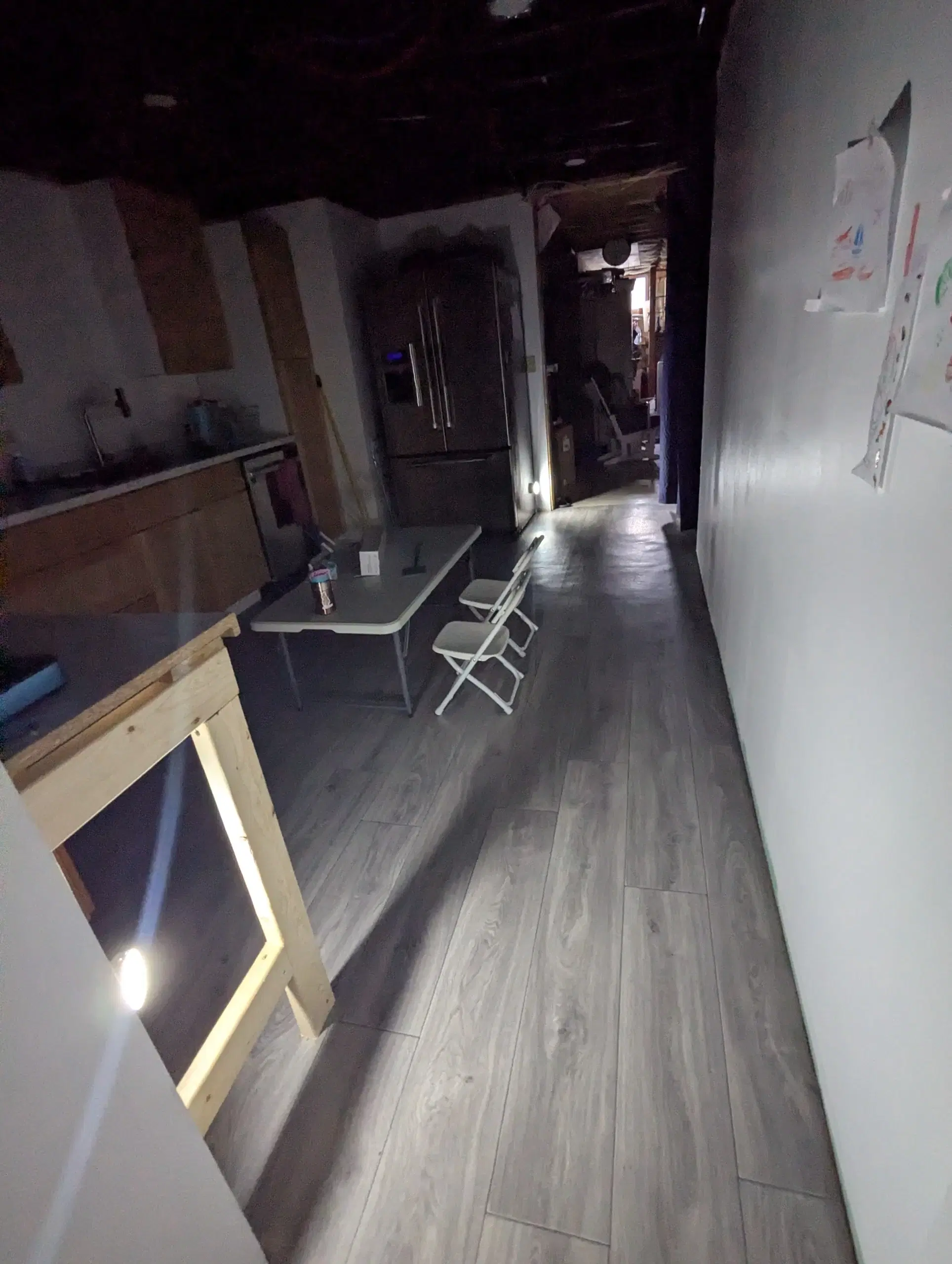
Many basement apartments rely on a single overhead fixture in each room.
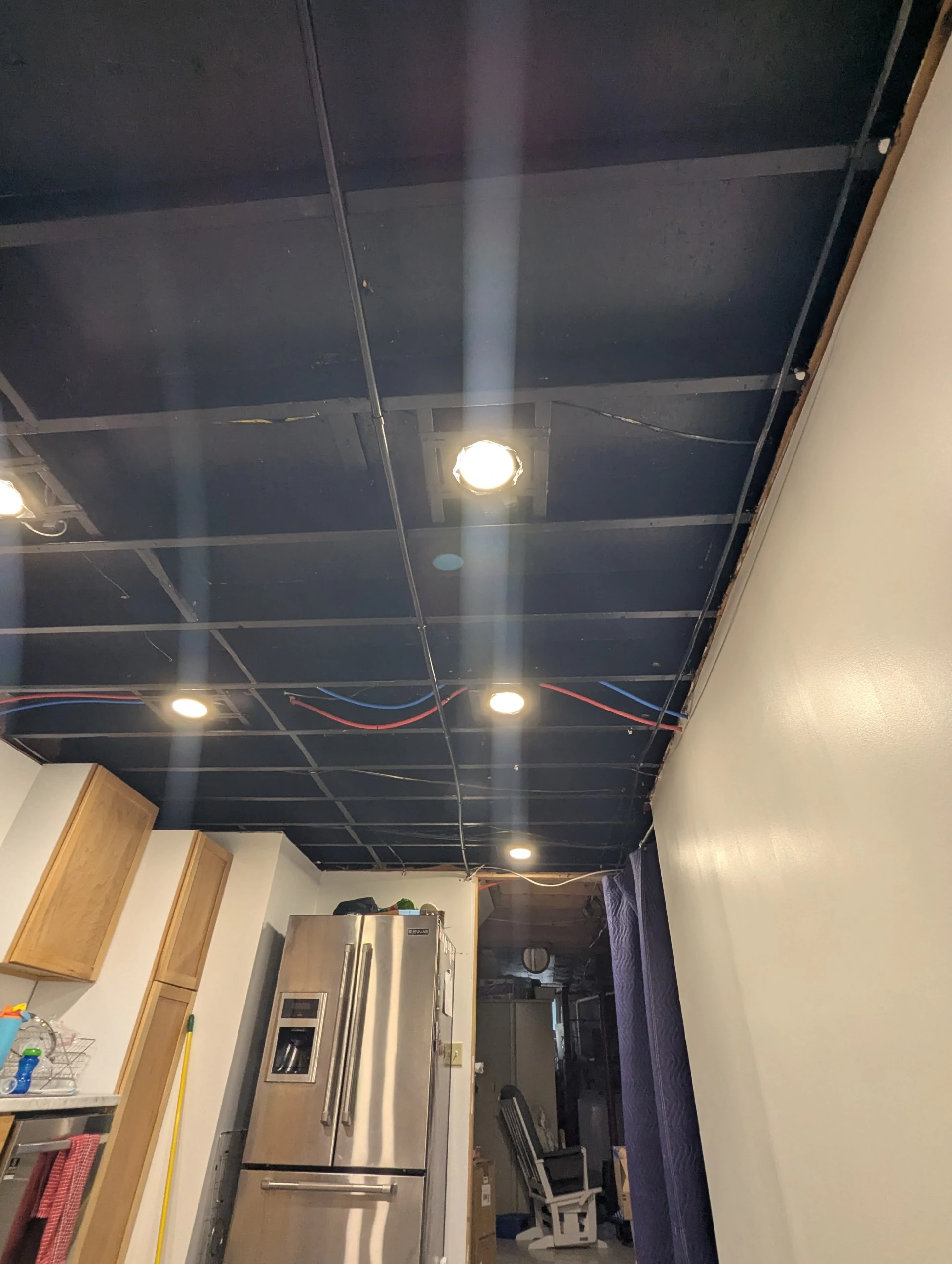
Unfortunately, this often creates shadows and uneven lighting.
Instead, think in layers.
Ambient Lighting
This is your general room lighting.
Examples include:
- Ceiling fixtures
- Recessed lighting
- Flush-mount lights
- LED panel lights
Task Lighting
Task lighting helps illuminate specific activities.
Examples include:
- Desk lamps
- Reading lamps
- Kitchen under-cabinet lighting
- Vanity lights
Accent Lighting
Accent lighting adds warmth and visual interest.
Examples include:
- Wall sconces
- LED strip lighting
- Picture lights
- Decorative table lamps
Combining all three layers creates a brighter and more balanced environment than relying on a single fixture.
Switch to Daylight LED Bulbs
Modern LED bulbs offer a wide range of color temperatures.
For basement apartments, many homeowners find that daylight-balanced LEDs help mimic natural sunlight.
Look for bulbs in the range of:
- 5000K to 6500K for daylight appearance
- High CRI (Color Rendering Index) ratings for more natural colors
Be careful not to overdo it. Extremely bright daylight bulbs can sometimes feel harsh, particularly in bedrooms.
A combination of daylight bulbs in work areas and warmer bulbs in relaxation spaces often provides the best balance.
Keep Window Areas Clear
When natural light is already limited, every bit matters.
Avoid placing large furniture pieces directly in front of windows.
Keep window wells clean and free of debris.
Trim shrubs and plants that may be blocking sunlight from entering.
Choose light-filtering curtains instead of heavy blackout drapes whenever privacy allows.
Even small improvements in window exposure can noticeably brighten a room.
Choose Reflective Finishes
Certain materials naturally help spread light throughout a room.
Consider incorporating:
- Glossy tile backsplashes
- Satin paint finishes
- Metallic accents
- Reflective décor pieces
These surfaces bounce light around instead of absorbing it.
You don't need to redesign your entire apartment. A few carefully chosen reflective elements can make a surprising difference.
Brighten the Flooring
Flooring occupies a large visual area in any room.
Dark flooring can make basement apartments feel smaller and darker.
If replacing flooring is an option, consider:
- Light oak tones
- Blonde wood finishes
- Light vinyl plank flooring
- Pale laminate options
If replacing flooring isn't practical, a light-colored area rug can help brighten the space while adding warmth and comfort.
Add Indoor Plants
At first glance, adding plants to a low-light apartment may seem counterintuitive.
However, greenery can make a space feel more vibrant and alive.
Fortunately, many houseplants thrive in lower-light conditions.
Popular options include:
- Snake plants
- ZZ plants
- Pothos
- Peace lilies
- Chinese evergreens
Plants help soften the feel of a basement apartment and create a stronger connection to nature.
If natural light is extremely limited, inexpensive grow lights can support plant health while adding another source of illumination.
Consider Light Therapy During Winter
For families living in northern climates, winter can further reduce natural light exposure.
A light therapy lamp may help supplement daylight during darker months.
These lamps are designed to mimic daylight and are commonly used to support mood and energy levels during winter.
While they aren't a replacement for actual sunlight, many people find them beneficial when spending significant time indoors.
Always follow manufacturer guidelines and consult a healthcare provider if you have concerns about using light therapy.
Make Ceilings Feel Higher
Many basement apartments have lower ceilings than above-ground living spaces.
To create a greater sense of openness:
- Paint ceilings white
- Use vertical design elements
- Hang curtains higher than window frames
- Choose low-profile furniture
- Install flush-mount lighting
These techniques help draw the eye upward and create the illusion of additional height.
Create Bright Activity Zones for Kids
If children spend significant time in a basement apartment, consider creating dedicated bright spaces for play and learning.
A homework station near a window, supplemented by quality task lighting, can make a big difference.
Use:
- Light-colored furniture
- Open shelving
- Bright storage bins
- Adjustable desk lamps
A well-lit activity area can feel more inviting and may help children stay focused during crafts, homework, and reading.
Don't Underestimate Cleanliness
Dust, dirt, and clutter absorb light and make rooms feel darker.
Regularly clean:
- Windows
- Light fixtures
- Lampshades
- Mirrors
- Reflective surfaces
Decluttering can also have a dramatic impact on how bright a room feels.
Open surfaces allow light to travel more freely throughout the space.
Final Thoughts
Living in a basement apartment doesn't mean settling for a dark or dreary home.
While natural light may be limited, thoughtful design choices can dramatically improve brightness, comfort, and overall livability. Light-colored walls, layered lighting, strategic mirrors, reflective finishes, and smart furniture placement all work together to create a more inviting environment.
The goal isn't necessarily to make a basement apartment feel like a sunroom. Instead, it's about maximizing the light you have and creating a space that feels welcoming, comfortable, and uplifting for your family.
With a few practical changes, even a basement apartment can become a bright and enjoyable place to call home.